
The word investment gets used a lot. On social media, it’s thrown around so loosely that almost anything can be called an investment — a car, a course, a pair of shoes, a vacation, a crypto coin someone heard about from a friend of a friend.
But in finance, words matter. If we don’t define them clearly, people make emotional decisions and call it strategy.
So let’s slow this down and talk about what investments actually are, what they are not, and how they fit into a real wealth-building plan.
What an Investment Actually Is
An investment is something you put money into with the expectation that it will generate more money or income in the future.
That’s the core definition.
Not:
- Something that makes you feel good
- Something that looks impressive
- Something that might “blow up” overnight
An investment is meant to produce:
- Growth
- Income
- Or both
If it doesn’t reasonably do that, it may be a purchase, an expense, or a luxury — but not an investment.
That distinction isn’t about judgment. It’s about clarity.
Investing Is Delayed Gratification
At its heart, investing is saying:
“I will use this money to build future freedom instead of immediate comfort.”
That’s not always exciting. It often feels slow. But historically, it’s how people build long-term stability.
Investing is less about chasing wins and more about patience, consistency, and discipline.
The Main Types of Investments
Let’s break down the major categories in simple terms.
1) Stocks (Ownership in Companies)



Stocks represent ownership in a company. When you buy a stock, you own a small piece of that business.
You make money from stocks in two main ways:
- The price increases (capital gains)
- Dividends (company profit shared with owners)
Stocks can grow significantly over time, but they also fluctuate. They reward patience more than timing.
Good for:
- Long-term growth
- Retirement investing
- Wealth building over decades
Not ideal for:
- Quick money
- Emotional decision-makers
2) Bonds (Lending Money for Interest)

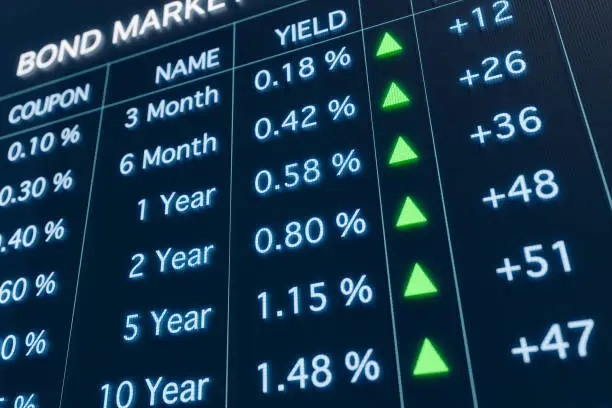

Bonds are loans you give to governments or corporations. They pay you interest in return.
They are generally:
- Lower risk than stocks
- Lower return than stocks
- More stable
They’re often used to balance a portfolio rather than build wealth aggressively.
Before investing in bonds, remember they are not risk-free. The main risks to assess are default risk (the issuer may fail to pay interest or principal), interest rate risk (bond prices fall when rates rise if you need to sell early), and inflation risk (your fixed payments may lose purchasing power over time). A bond that looks safe because it’s “stable” can still lose real value or market value, so always consider who is issuing it, how long the term is, and how it fits your time horizon and inflation expectations.
3) Real Estate



Real estate includes:
- Rental properties
- Commercial property
- Land
- REITs (real estate investment trusts)
You can earn through:
- Rental income
- Property value appreciation if sold later
- Tax advantages
Real estate can build wealth, but it requires:
- Capital
- Management
- Patience
It’s not passive at first, no matter what anybody says. Flipping has tight regulations that many real estate “coaches” ignore and generally requires a very large investment. This is very risky using your own money and even more risky using a private investor. The terms of those private loans for rehab and flips are generally only favorable for very experienced people in the industry.
4) Businesses



Owning or investing in a business can be one of the highest-return investments.
You can earn through:
- Profit
- Equity growth
- Selling the business later
But businesses also carry higher risk. Many fail. Success requires skill, not just money.
5) Index Funds & ETFs



These bundle many stocks or bonds together. Instead of betting on one company, you invest in a group.
They are popular because they:
- Spread risk
- Have lower fees
- Perform well long-term historically
Many financial professionals consider these a strong foundation for beginners.
What Is NOT an Investment (Usually)
Let’s be honest here.
Common non-investments:
- Cars (they depreciate)
- Clothes and luxury items
- Most electronics
- Trendy collectibles
- Vacations
- Primary residences (unless producing income)
These can be great life purchases. They just shouldn’t be mislabeled.
Calling spending “investing” doesn’t make it wealth-building.
Risk and Return: The Trade-Off
Generally:
- Higher potential return = higher risk
- Lower risk = lower return
Anyone promising high returns with no risk is selling something — and it’s usually not wisdom.
Smart investing balances:
- Growth
- Safety
- Time horizon
- Personal comfort level
Time Matters More Than Timing
One of the biggest myths is that successful investors perfectly time the market.
In reality, many succeed because they:
- Start early
- Invest consistently
- Stay invested
Time in the market often beats trying to time the market. There is so much that affects the market that short term trades are very volatile. While some find success in trades like these it generally isn’t the norm and their methods are not repeatable. In many of these success stories they earn more money from affiliate marketing, software, courses and more and take advantage of those looking for ways to get out of this rat race.
Emotional Investing Is Expensive
People tend to:
- Buy when prices are high (excitement)
- Sell when prices drop (fear)
That’s backwards.
Investing requires emotional discipline. If news headlines control your decisions, investing will feel stressful. Trend based sales are a more suitable alternative if this is you. Just be certain you don’t get too much inventory because when the trend is over the sales slow down greatly.
The Role of Investing in a Financial Plan
Investing comes after certain basics:
- Emergency fund
- Manageable debt (No debt is preferable)
- Insurance protection
- Stable income
Investing without a safety net can force bad decisions when life happens.
A Realistic Mindset
Investing is not a lottery ticket.
It’s a long-term partnership with patience.
Small, consistent investing often beats big, inconsistent moves.
Final Thoughts
Investing is simply using money as a tool to build future options.
It’s about giving your future self:
- Flexibility
- Security
- Freedom
You don’t need to know everything to start. You just need to understand the purpose and avoid emotional decisions.
Start simple.
Stay consistent.
Think long-term.
That’s not flashy advice — but it’s the kind that tends to work.